

5 min read
How does violence weaken the church?
This article explains the violence against Christians in sub-Saharan Africa, its impact to community and church, and Open Doors’ help alongside affected Christians.
Since the release of Open Doors’ 2023 World Watch List, the violence score for the 15 sub-Saharan countries included among the top 50 countries on the list has risen. Violence in 13 of those 15 countries, including Burkina Faso, is rated as “extremely high.”
Nigeria continues to be the global epicentre of deadly violence against Christians. Of the 4,849 Christians killed worldwide during the World Watch List 2026 reporting period, over 70% (3,490) were Nigerian.
Violent killings against Christians
The violence against Christians has a very specific purpose. It is neither by accident, nor is it simply the by-product of a clash between ethnic groups or conflict over resources. The environment in which violence takes place is complex, and there are instances where resource scarcity, politics and ethnic groups play a role. However, the role that religion plays in the conflict can’t be ignored.
In Burkina Faso, Christian communities who once peacefully lived alongside their Muslim neighbours, experience targeted killing after a radicalised ideology took root and spread over many years. While they are in church, going about their lives, they are violently killed.
In Nigeria, the cycles of violence take place across the Middle Belt. Attackers, armed with machetes and semi-automatic weapons, come to Christian communities in the middle of the night while people are sleeping, with no means to protect themselves.
Isaac*, team leader for Open Doors’ work in West Africa, gives us some insights of Christians’ responses toward hostilities.
“The conflict between Fulani groups and Christian communities in Nigeria is deeply rooted in long-standing hostilities… Despite persistent prayers, fasting and appeals for peace, Christians have continued to face aggression, leaving communities vulnerable and weary. Christian leaders have consistently sought dialogue and consultation with Fulani representatives, but these efforts have rarely produced meaningful outcomes,” he explains.
Communities in Christian-majority regions such as Plateau, Kaduna and Benue have endured years of hostility directed at the church. However, government instability and their limited ability to protect their citizens against resilient Islamic militants pose a serious threat to the church in large parts of sub-Saharan Africa today.
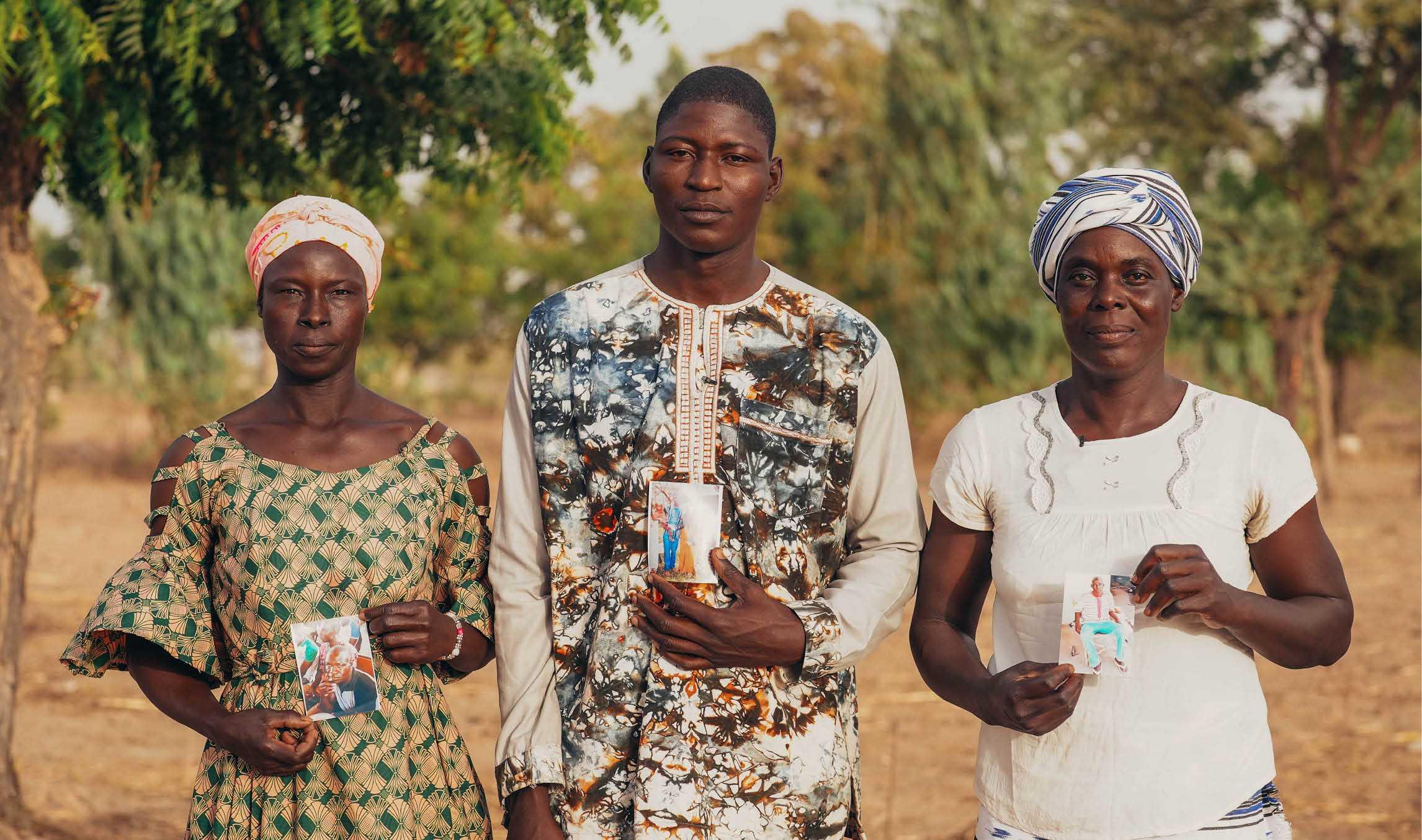
Burkina Faso Christians holding photos of loved ones killed by militants
Weakening of community and church
Male Christians are mainly targeted with killing. When men are killed, it removes the provider and protector of the family. Women suffer from losing their husbands’ support, because the men who gave them hope and cared for their needs were now gone.
Not only men are killed, but houses are also burned, and possessions and animals are stolen. People have nothing left. The future of the village is destroyed. Widows have difficulties finding enough food for themselves and their children. The burden to provide for their families rests solely on these single parents.
However, the destruction was not just physical.
The extreme violence during the attack, such as burning people alive or hacking the other to death, causes severe emotional pain and immense fear. Some experience depression, bitterness, or anger.
Spiritually, the worship of God is sabotaged, and Christian belief is discouraged — because the village is blessed by a strong church, and the enemy becomes jealous of it.
The killing of Christians and the ensuing trauma greatly impacts the witness of the church. Some might question God, unable to forgive, or even lose hope in God. In the long term, these negative emotions will affect their walk with God and their ability to fulfil the Great Commission.
The church leadership and the future of the church are also at stake. The killing of male Christians eliminates church leaders, and the killing of young men and boys removes future leaders. The women, who are often the ones leading worship and support groups in the church, become marginalised, depressed and cease to be productive members of the church.
Thus, the profound loss on a Christian community creates physical, emotion and spiritual trauma.
Strengthen what remains
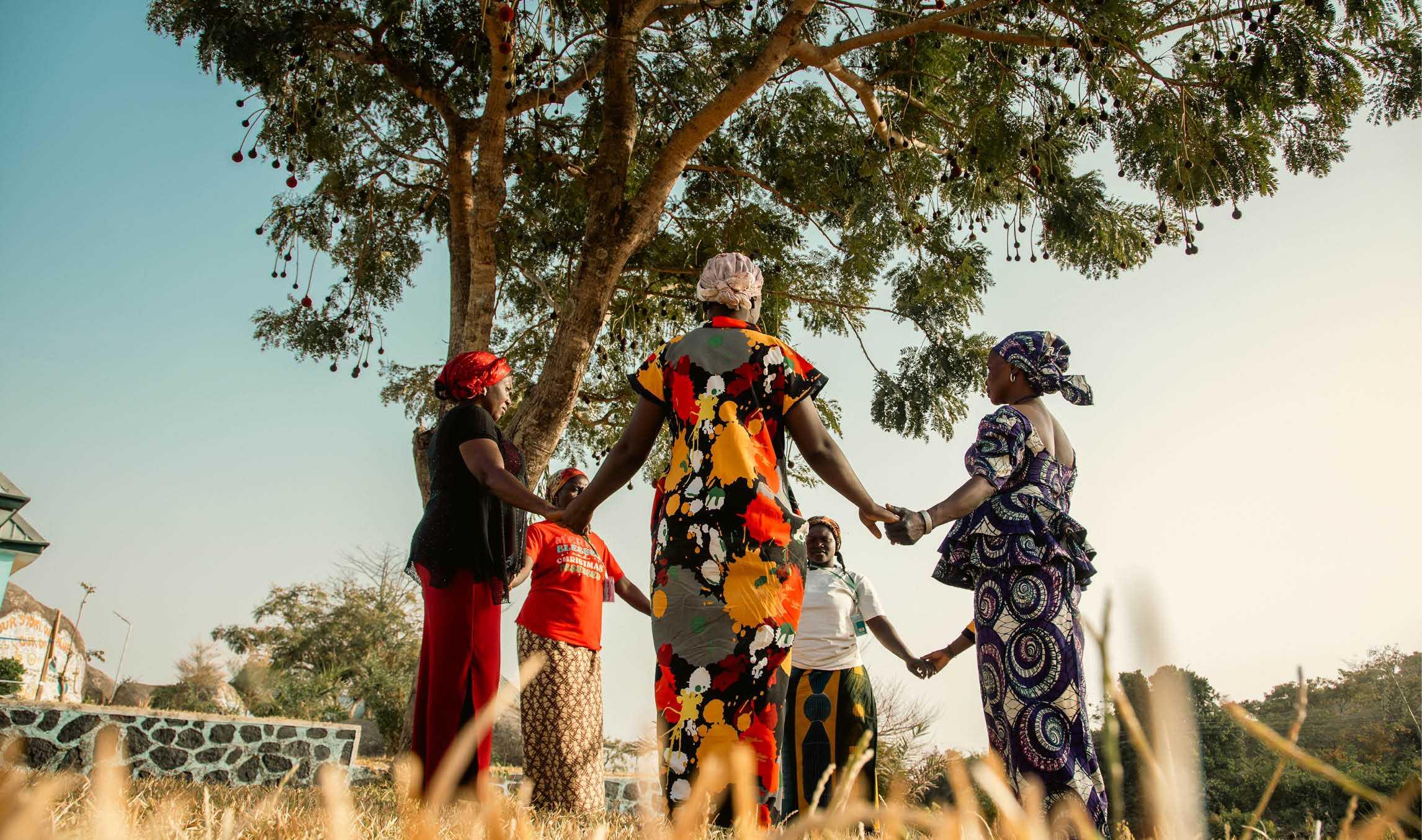
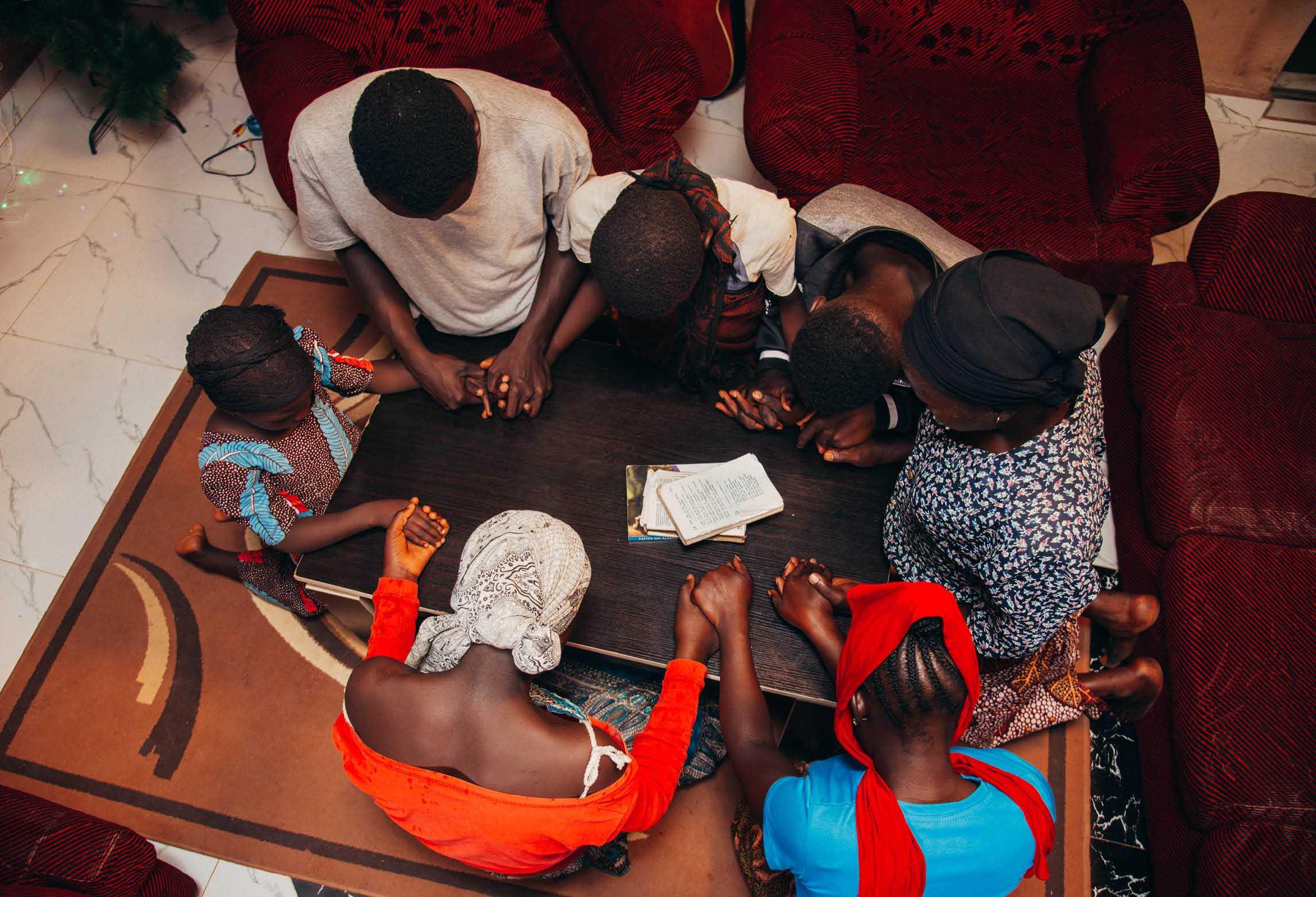
Christians affected by targeted violence because of their faith need integrated support. Through Open Doors’ support, church partners can provide trauma care, relief aid, widow support and skills development to affected Christians in northern Nigeria and Burkina Faso.
With the power of the Holy Spirit, the teachings of the trauma care training help these Christians learn to forgive. Their hearts are renewed with hope. Their faith is strengthened. Their lives are rebuilt. Some are even equipped to help the other Christians.
While the increased violent killing of Christians for their faith persists in parts of sub-Saharan Africa, the church is neither defeated, nor helpless. Despite the waves of violence, the church continues to faithfully live out the gospel and carry out the Great Commission. Together with the global Body of Christ, we can share the burden of persecuted Christians (Galatians 6:2), weep with those who weep (Romans 12:15) and do good to those who have little (Matthew 25:40).
*Name changed for security reasons
PLEASE PRAY
- Pray for efforts to stop the violence in sub-Saharan Africa. Pray that governments will bring attackers to justice.
- Pray for all those grieving loved ones martyred for their faith. Pray for comfort for those left behind.
- Pray for believers in the region. Pray that their faith and testimony amid persecution would be a light for Christ.
PLEASE GIVE
- Every HK$225 could provide trauma care to a persecuted Christian, and bring hope and healing.
- Every HK$420 could equip a leader like Pastor Michée to provide trauma care to their community.
- Every HK$510 could provide one believer with medicine and shelter, and long-term support.