

5 min read
Underground and under pressure—following Jesus in Laos
A Q&A with a country expert reveals what it’s like to live as a Christian in the Southeast Asian nation.
In Laos, Christians in the landlocked nation live under strict regulations that limit how people practice their religious freedom. While Christianity is officially recognized, many Lao believers—especially in rural and ethnic communities—face pressure from local authorities and their own villages for their decision to follow Jesus.
In this in-depth interview with Mai*, a Laos country expert, we explore why Lao believers sometimes choose to practice their faith in private homes, the risks they face in Laos’ deeply rooted Buddhist and animist cultures, and how we, as the Body of Christ, can pray for them.
Mai, why do Lao Christians need to worship underground when the Lao Constitution includes freedom of religion?
Yes, the Lao Constitution formally guarantees freedom of religion, however this right is significantly constrained by laws and policies that limit how it is exercised. How it’s enforced varies widely by region and is often subject to the discretion of local authorities. As a result, many Christians, especially those who live in rural and ethnic areas, experience oppression because of their faith and choose to worship underground.
Many believers participate in house church meetings, often in private homes, where they can experience greater freedom to gather and worship. It is because they fear that official registration would subject their churches to government control and potentially compromise the integrity of their worship and biblical teachings.
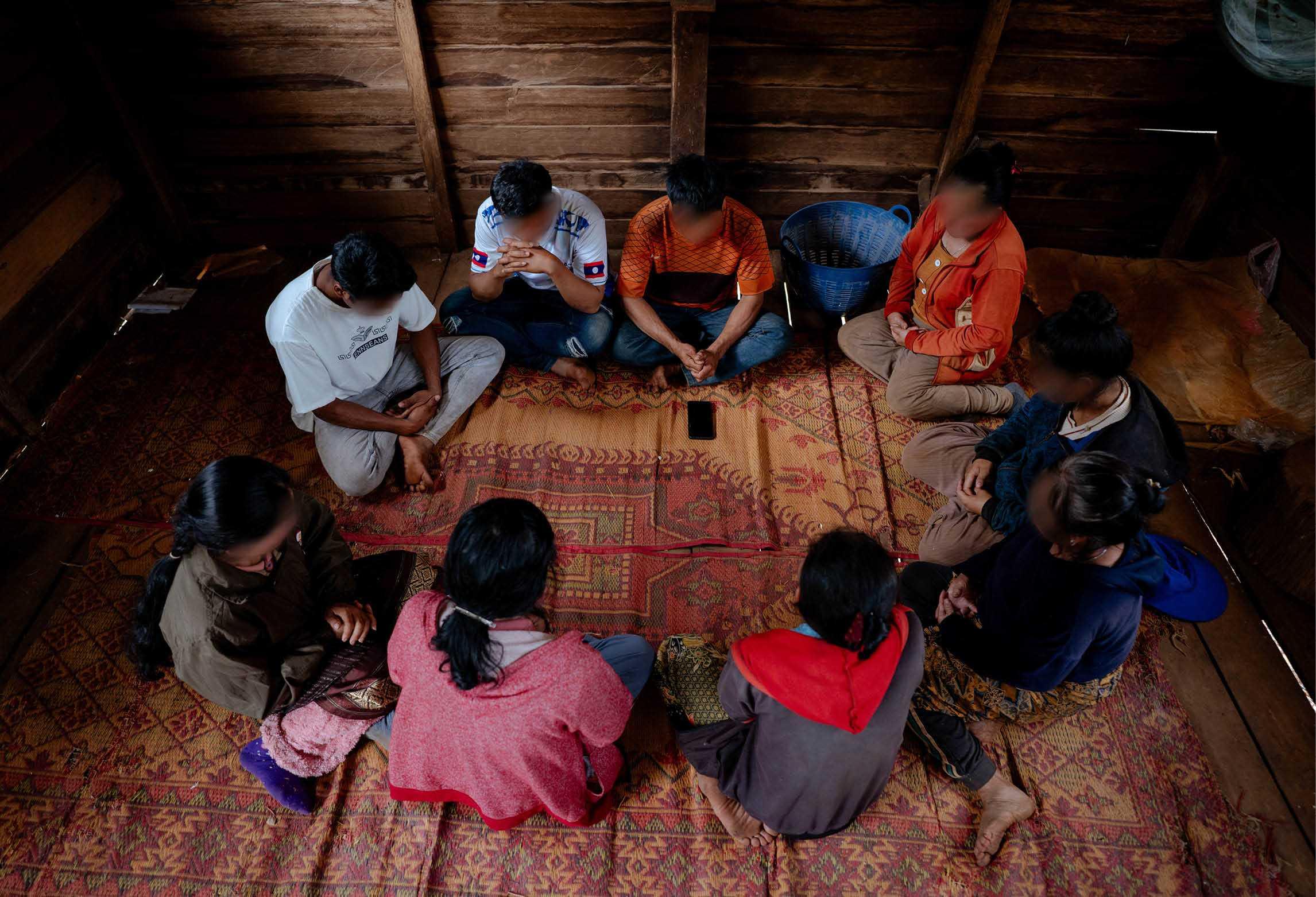
A house church meeting in Laos
Another major factor is intense social and communal pressure. Many converts come from tightly knit villages where traditional Buddhist or animist beliefs are deeply embedded. Conversion to Christianity is often perceived as abandoning ancestral traditions, which is believed to anger local spirits and bring misfortune or illness upon the community. Christianity is also commonly viewed as a foreign religion, and conversion may be seen as a betrayal of village unity and national allegiance. The decision to follow Jesus can lead to ostracism, coercion or punishment from families and village leaders.
While Christianity is not explicitly banned, the country’s government enforces laws and policies that restrict the freedom to convert to another belief, particularly among rural and ethnic communities.
The combination of restrictive policies, inconsistent enforcement and social hostility effectively forces many Christians, especially in rural and tribal areas, to practice their faith in secret.
What happens if these small communities are found out?
If discovered, underground Christians can face specific risks:
- Arrest, interrogation, detention or imprisonment by local authorities
- Expulsion from their village, forcing families to live in forests or temporary shelters without sufficient food or medical care
- Physical assault by family members, villagers or local authorities
- Destruction of house churches, believers’ homes, and properties
- Confiscation of Christian materials or Christians’ properties
- Loss of livelihood
- Loss of basic government support, such as access to education and health care
- Public humiliation and mockery
- Forced denial of faith in front of the community
- Discrimination/denial of rights and access to community resources, for example the right to be buried in village cemetery or access to drinking water.
- Non-issuance or confiscation of identity cards or family books, and other government issued documents.
- In rare cases, murder.
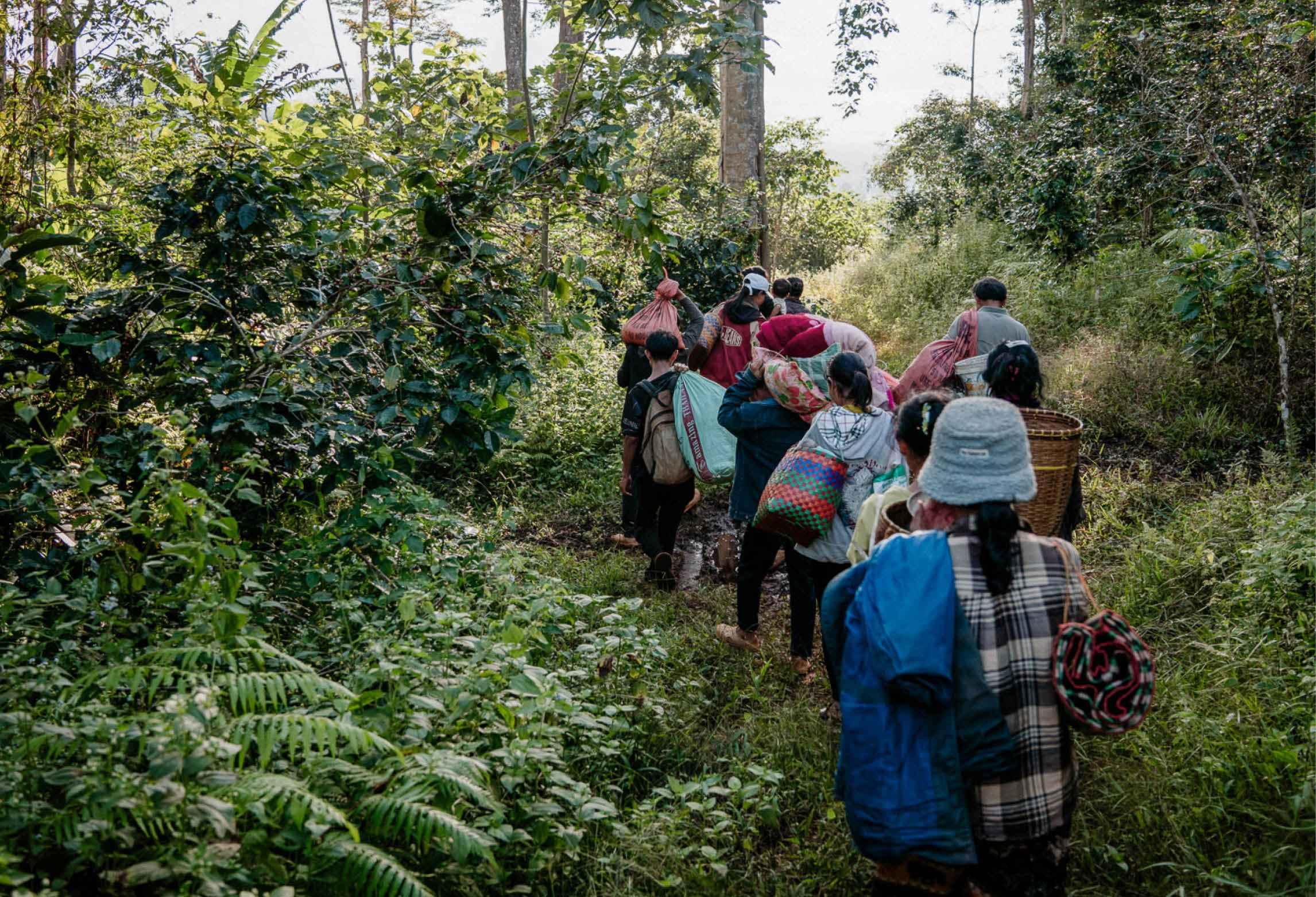
Re-enactment image of a group of believers in the Lao forest after they were expelled from their villages
Support for Christians in Laos
Through our local partners and networks, Open Doors supports underground (and registered) Christians in Laos by implementing programs under three key priorities.
First, we give emphasis on inclusive discipleship, strengthening the church’s ministry for women, youth, and children—groups often overlooked due to male-focused church leadership—by providing training, resources and ministry development that encourage their active participation and positive impact in their communities.
Second, we work to produce or strengthen biblically sound church leadership by deepening theological understanding through relevant Bible-centered training, equipping leaders to live Spirit-filled lives, address false teachings, and build healthy churches despite limited access to formal theological education.
Third, we focus on persecution preparedness, helping believers to understand their constitutional rights, develop biblical perspectives on suffering, and respond biblically for Christians who are targeted.
*name changed to protect their identity
please pray
- Pray for courage, wisdom, and protection as Christians learn how to navigate the risks of grow their faith and sustaining their fellowship.
- Pray for displaced individuals and families. Ask God to provide shelter, food, living essentials, jobs and loving communities that will help them stay rooted in Jesus amidst loss, pressure and violence.
- Pray for those who persecuted believers in Laos, that the Lord would open their hearts to the gospel and allow it to transform them.
Please give
- Every HK$220 could give practical, medical, and pastoral support to an secret believer.
- Every HK$330 could train secret believers to persist through persecution and support others.
- Every HK$520 could build future churches through a youth leadership programme.
*Any excess funds from this appeal will be used to support vital long term work for Christians facing high levels of persecution.